Implementation of Digital
twin in Battery charging
and forming line in
Battery Manufacturing
company
Problems in Battery Charging and Forming Line

Extreme Ambient Temperatures
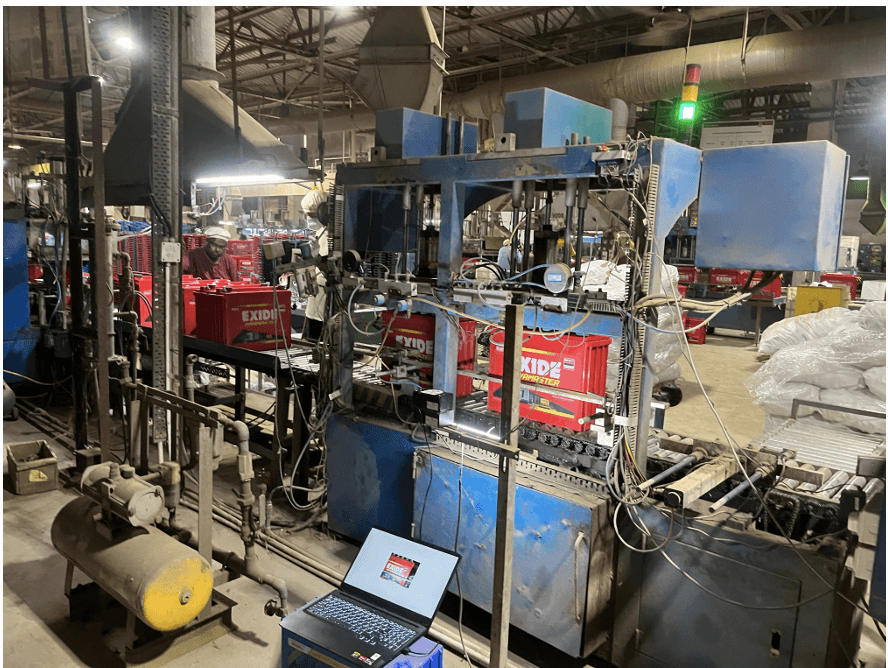
Production often stops as ambient temperatures hit 55°C, triggering automatic shutdowns to prevent damage.

Dust Accumulation on Connectors
Dust on connectors raises resistance, causing overheating and sparks that can ignite flammable materials, leading to fires and up to 7 days of production loss.

Frequent Breakdowns & Maintenance Costs
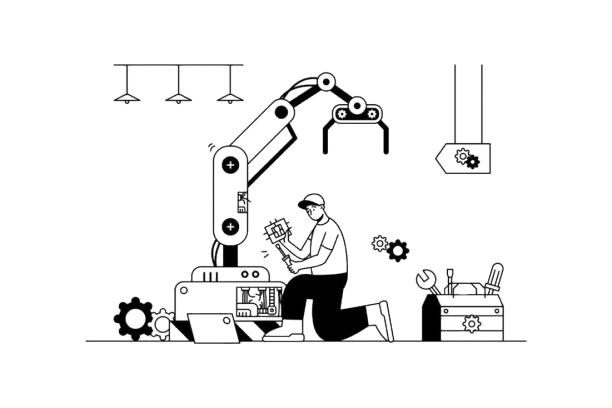
Frequent dust-related breakdowns and overheating drive up maintenance, replacement costs, and downtime.
Acid Fume Accumulation
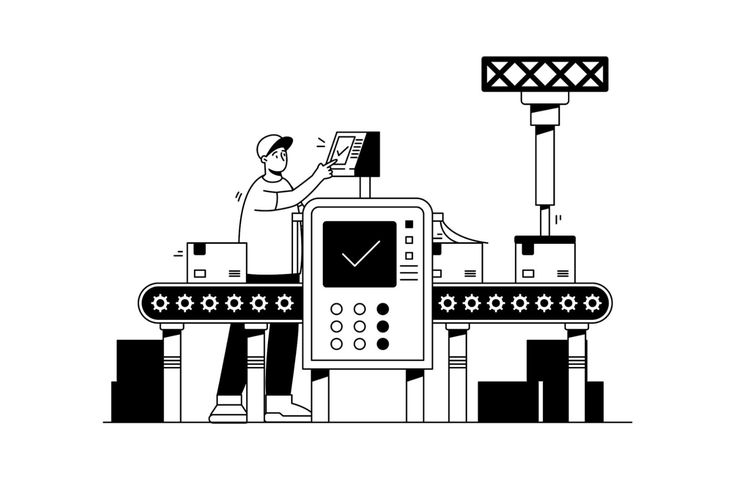
Acid fumes corrode charging points, increasing resistance and sparking, which can ignite fumes and cause fires with up to 7 days of downtime.
Manual Monitoring by Inexperienced Operators
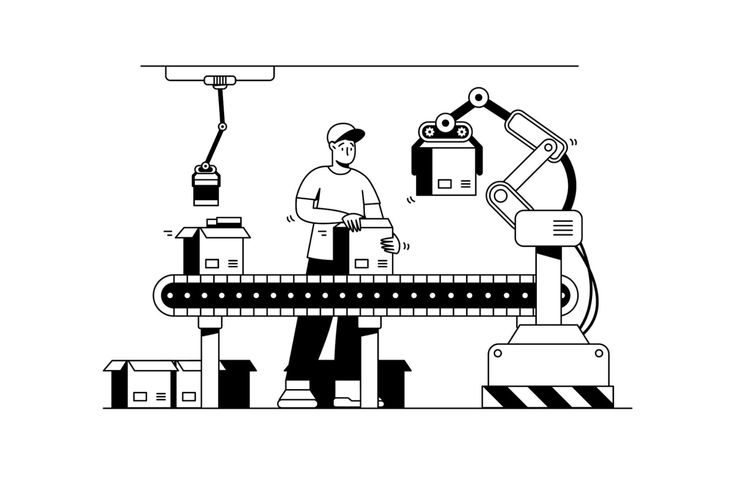
Manual parameter monitoring using Excel-like tools by non- technical operators often results in missed critical anomalies—like temperature surges, current spikes, or acid fumes—detected only after failures or fires occur.
Proposed Solution: Real-Time Digital Twin System
Computer Vision Algorithmsfor real-time detection of dust, sparks, smoke, corrosion, and physical anomalies.
Sensor Integrationto monitor and alert for threshold breaches.
HVAC Integrationto auto-regulate temperature based on real-time data inputs.
Early Warning & Alert Systemwith dashboard visualization and mobile/desktop notifications for proactive intervention.
Automated Data Logging & Analysisreplacing manual Excel monitoring with smart, intuitive interfaces.
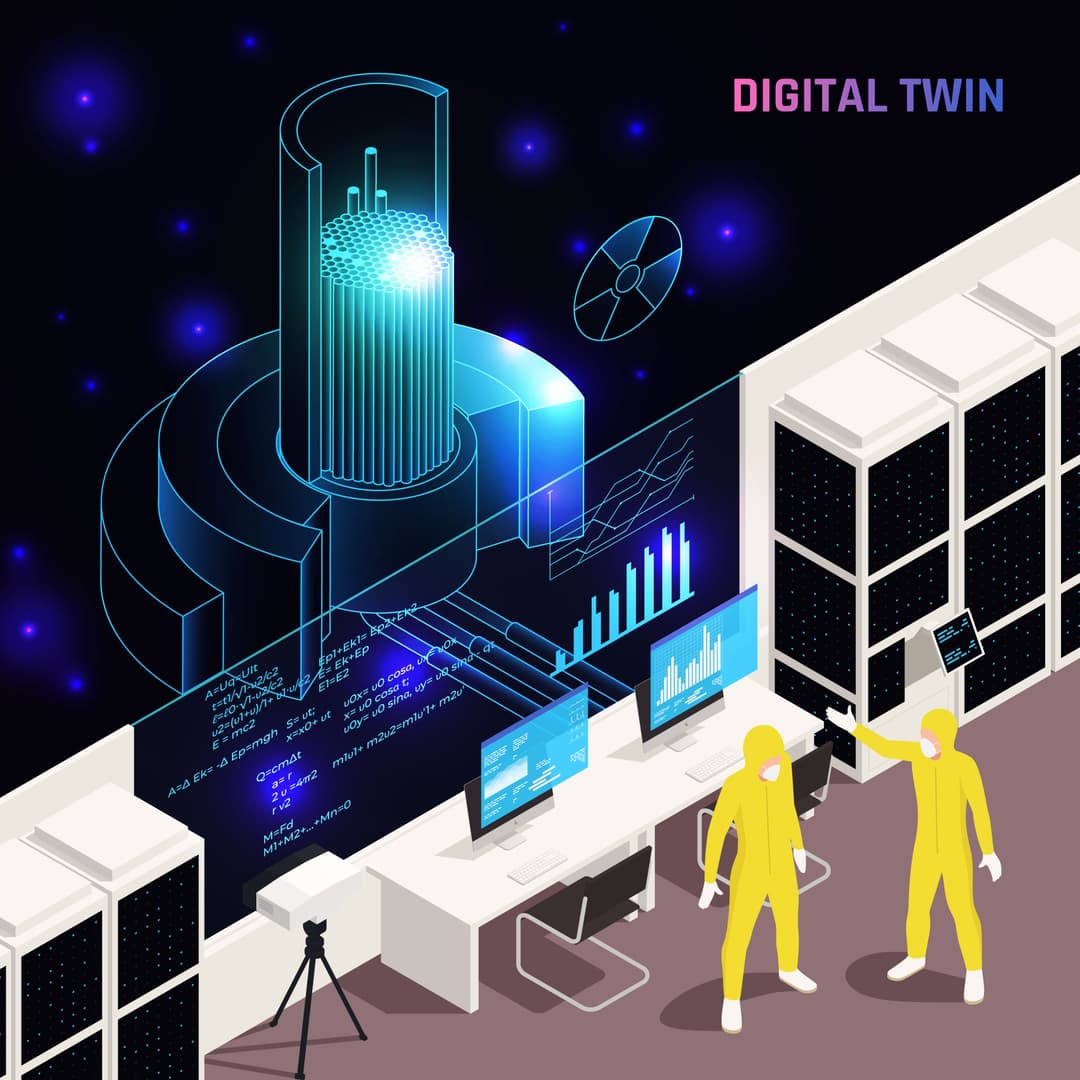
Key Value Proposition from Digital Twin of Battery Charging Line

Safety
The supervisory control feature enables a new dimension of safety by reducing the risk of hazards through continuous monitoring.

Reduction in maintenance
50% reduction in maintenance cost of spare parts per machine per year by implementing continuous remote monitoring.

Reduction in unplanned downtime
50% reduction in unplanned downtime by advanced analytics and AI.