Digital Twin Implementation in
Lead Oxide Production Unit
Challenges in Lead Oxide Production
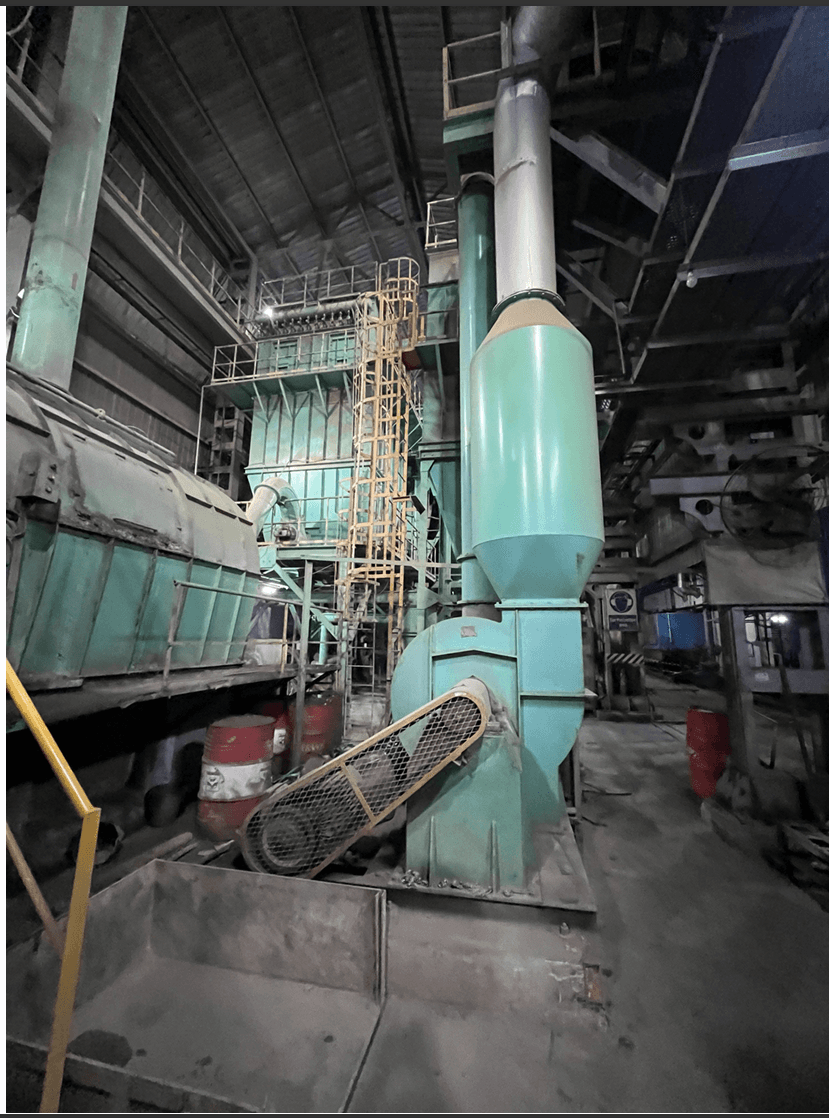

Unplanned Downtime
Frequent machine failures and higher Mean Time to Failure (MTF) created production bottlenecks, halting throughout and disrupting schedules.

Reduced Asset Longevity
Repeated breakdowns led to accelerated wear and tear, reducing the lifecycle of critical Ball Mill components.

High Operational Costs
Emergency repairs, unplanned maintenance, and production delays significantly increased operating expenses.
Floor Knowledge Gap
Reliance on manual floor reports and operator inputs resulted in delayed decision-making and inconsistent insights into machine health.
Decentralized Data Silos
Fragmented data from multiple sources made it difficult to monitor production in real time or gain a holistic view of asset performance.
Risk Management Gaps
Unforeseen hazards and safety threats remained undetected until damage had already occurred
Proposed Solution: Smart Digital Monitoring System
Creating a virtual replicaof the Ball Mill to simulate and predict failures before they happen.
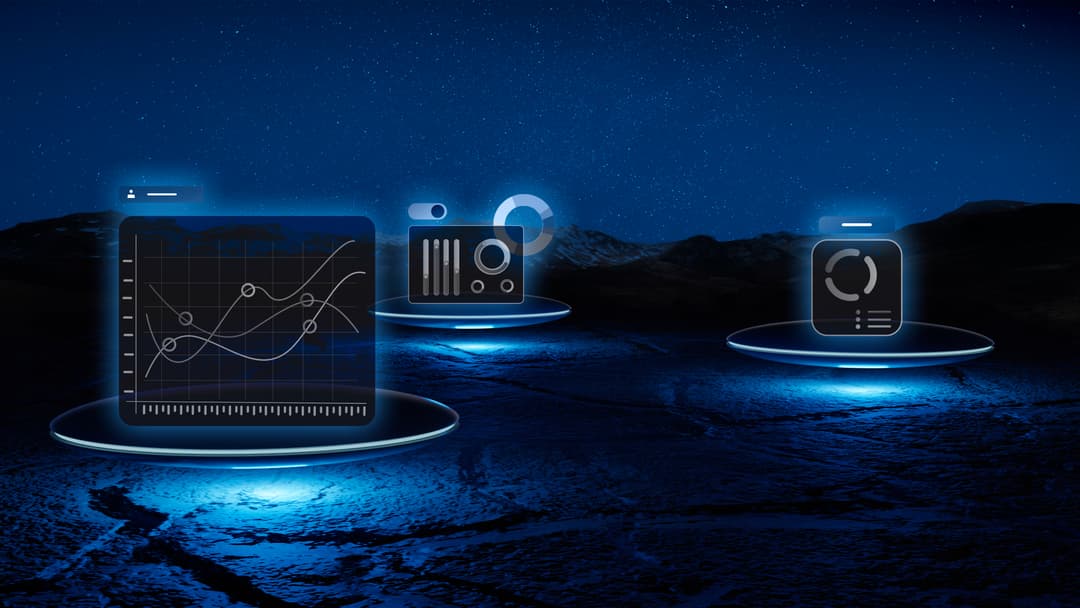
Aggregating datafrom all relevant sources (vibration, temperature, load, wear rate) into one centralized platform.
Triggering real-timealerts when critical parameters approach failure thresholds.
Enabling remotemonitoring and automated reporting for operational and maintenance teams.
Delivering actionable insightsthrough predictive analytics and historical trend visualization.
Impact and Results
Reduction in Asset Maintenance Costs
Predictive alerts and condition-based maintenance strategies drastically cut down emergency repairs.
Lower Downtime and Faster Recovery
Real-time monitoring allowed early detection of anomalies, reducing unplanned downtime and improving Mean Time Between Failures (MTBF).
Enhanced Operational Visibility
Stakeholders gained full transparency into machine status, performance KPIs, and risk indicators—anytime, anywhere.
Knowledge Transfer and Automation
Reduced dependency on individual operator knowledge with system-generated insights and process memory.